
Understanding the Difference Between Minor and Serious Car Accidents

Car accidents happen every day and can range from small fender benders to severe collisions. All accidents can be stressful, which is why it is crucial to understand the difference between minor and serious car accidents. Understanding the difference can help you know what steps to take next, from calling your insurance company, seeking medical attention, or contacting a lawyer. This can help smoothen the process and prevent further complications. This will also protect your rights and ensure your safety. Continue reading to learn more.
What Is a Minor Car Accident?
A minor car accident usually involves low-speed impact and limited damage. These often occur in parking lots, at stoplights, or in slow-moving traffic. These accidents may result in small dents, scratches and minor bumper damage. These accidents tend to result in minor injuries, but it is still important for drivers to exchange information and document the scene. Some examples include:
- Bumping another car while parking
- Getting lightly rearended at a stoplight
- Scrapping another vehicle when backing out
- Side mirror clipping
- Hitting a curb and causing slight tire damage
In most of these cases, vehicles remain drivable after a minor accident; injuries tend to be mild, such as small bruises or soreness. However, it’s still important to document the scene, exchange insurance information, and file a police report if necessary. Even minor accidents can lead to delayed injuries, like whiplash or back pain, that appear days later.
What Is a Serious Car Accident?
A serious car accident involves significant impact, high speeds, or multiple vehicles. These crashes often result in major vehicle damage, severe injuries, or fatalities. Common examples include:
- Airbags Deploying
- Structural Damage to the vehicle's frame
- Rollovers or side-impact collissions
- Serious injuries such as fractures, head trauma, or internal bleeding
In a serious accident, emergency responders are typically called to the scene. Victims may need immediate medical care, and vehicles often require towing and extensive repairs—or may be totaled entirely.
Why It’s Important to Know the Difference
Recognizing whether your accident is minor or serious helps you take the right actions immediately after the crash.
- For minor accidents, ensure everyone is safe, move vehicles out of traffic if possible, and document the scene
- For serious accidents, prioritize safety—call 911 right away, avoid moving anyone who may be injured, and wait for emergency services.
Even if your accident seems minor, it’s wise to consult a medical professional and report the incident to your insurance company. Hidden injuries or unseen vehicle damage can become serious over time.

How Insurance and Legal Steps Differ
An accident’s severity can influence the insurance and legal processes. For minor accidents, the process is straightforward; drivers exchange information, document the scene, and file an insurance claim. These cases are often resolved quickly, and medical treatment tends to be minimal. However, serious accidents can be more complex, due to extensive damages, severe injuries, and higher financial losses. Victims may need to file multiple claims, including medical and property damage claims. In some cases, legal action may be necessary to receive a fair compensation. Additionally, determining fault may also require witness statements, and detailed insurance investigations that can further prolong a person’s recovery. Victims of serious accidents may also need to work closely with insurance adjusters, medical professionals, and attorneys to document and compensate all their damages. Understanding which type of accident you’re dealing with helps you take the right steps for protecting your health, your finances, and your legal rights throughout the recovery process.
The Impact on Your Health
The severity of an accident can affect your health and recovery process. Here are some factors to consider:
- Speed: Speeds increase the force of impact, which in turn, can influence the severity of the accident and injuries sustained. The higher the speed, the more severe the crash.
- Injuries: Minor accidents lead to minor bruises, whiplash and muscle soreness, while serious accidents can result in life threatening injuries like internal bleeding, and spinal cord damage.
- Psychological effects: Victims of more serious accidents may experience psychological issues like depression, PTSD or anxiety.
In other words, the ramifications of a car accident can extend beyond the immediate impact and affect a person’s health, both mentally and physically. Regardless of the severity, victims of car accidents should always seek medical attention immediately, as even minor injuries can worsen over time if not treated.
Vehicle Damage and Repair Differences
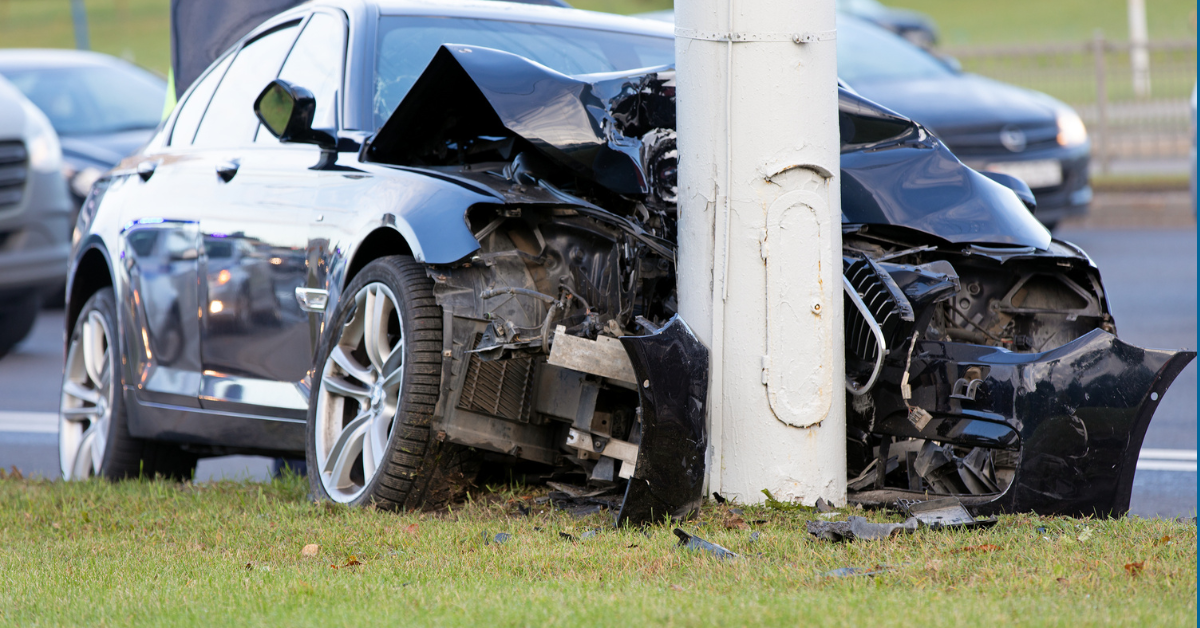
Vehicles suffer different kinds of damages depending on the severity of the accident, from minor cosmetic issues to underlying mechanical issues. In some cases, the vehicle may be irreparably damaged and declared a complete loss. Minor accidents usually result in cosmetic issues like dents, scratches, or a broken light; these can be repaired quickly and affordably. Serious accidents, however, can result in frame damage, deployed airbags, and engine problems; Critical systems like engine, transmission, or breaks, may also be affected. It is important to note that these are usually underlying issues not seen by the naked eye and can be more expensive to repair, especially if they aren’t addressed on time. If the repairs exceed the car’s market value, the vehicle is totaled by the insurance company and the driver is awarded the vehicle’s cash value.
Final Thoughts
Understanding the difference between minor and serious accidents helps you make more informed decisions on what steps to take next. Minor accidents are usually solved with a simple insurance claim and visit to the doctor, while more serious accidents can involve more complex legal and insurance processes. Regardless of severity, anyone who has been in a car accident should seek immediate medical attention, since even the most minor wounds can worsen if not treated. Additionally, it helps you determine what experts to consult, such as doctors and attorneys; this can help you further protect your health and finances. The more you know, the more informed decisions you’ll be able to make.
Visit North Florida Medical Center Today
If you’ve recently been in a car accident, your health should be your top priority. At North Florida Medical Center, we specialize in helping accident victims recover quickly and safely. Our team specializes in thorough evaluations to detect hidden injuries. This helps us create customized treatment plans for your wounds. From chiropractic care and physical therapy to pain management and rehabilitation, we are here for you every step of the way. Don’t ignore your symptoms. Schedule your appointment with North Florida Medical Center today and take the first step toward feeling your best again.